 CravingMind AI
Have you ever noticed how a particular meal can lift your spirits, while another leaves you feeling sluggish and irritable? It’s not just your imagination. The connection between what you eat and how you feel is a powerful and scientifically validated field known as nutritional psychiatry. The foods we consume are the building blocks for our brain’s chemical messengers, neurotransmitters like serotonin and dopamine, that directly govern our emotions, focus, and mental resilience.
This isn’t about finding a single ‘miracle’ cure, but about understanding how a pattern of mindful eating can create a stable foundation for emotional well-being. By choosing nutrient-dense options, you can combat inflammation, support a healthy gut microbiome (your ‘second brain’), and provide your mind with the essential fuel it needs to thrive. In this guide, we’ll explore the 10 best foods for mood, moving beyond generic advice to provide actionable strategies for incorporating them into your daily life.
We’ve curated this list to give you a strong starting point, but the world of mood-boosting nutrition is vast. While we’ve highlighted key categories, exploring resources on other foods to improve mood can provide additional valuable insights for your journey. Prepare to transform your plate into a powerful tool for a happier, more balanced you.
1. Fatty Fish (Salmon, Mackerel, Sardines)
Fatty fish like salmon, mackerel, and sardines are powerhouse foods for brain health and emotional stability, making them some of the best foods for mood you can eat. Their benefits are primarily linked to their high concentration of omega-3 fatty acids, specifically eicosapentaenoic acid (EPA) and docosahexaenoic acid (DHA). These essential fats are integral components of brain cell membranes, facilitating communication between brain cells and supporting the production of key neurotransmitters like serotonin and dopamine, which are crucial for mood regulation.
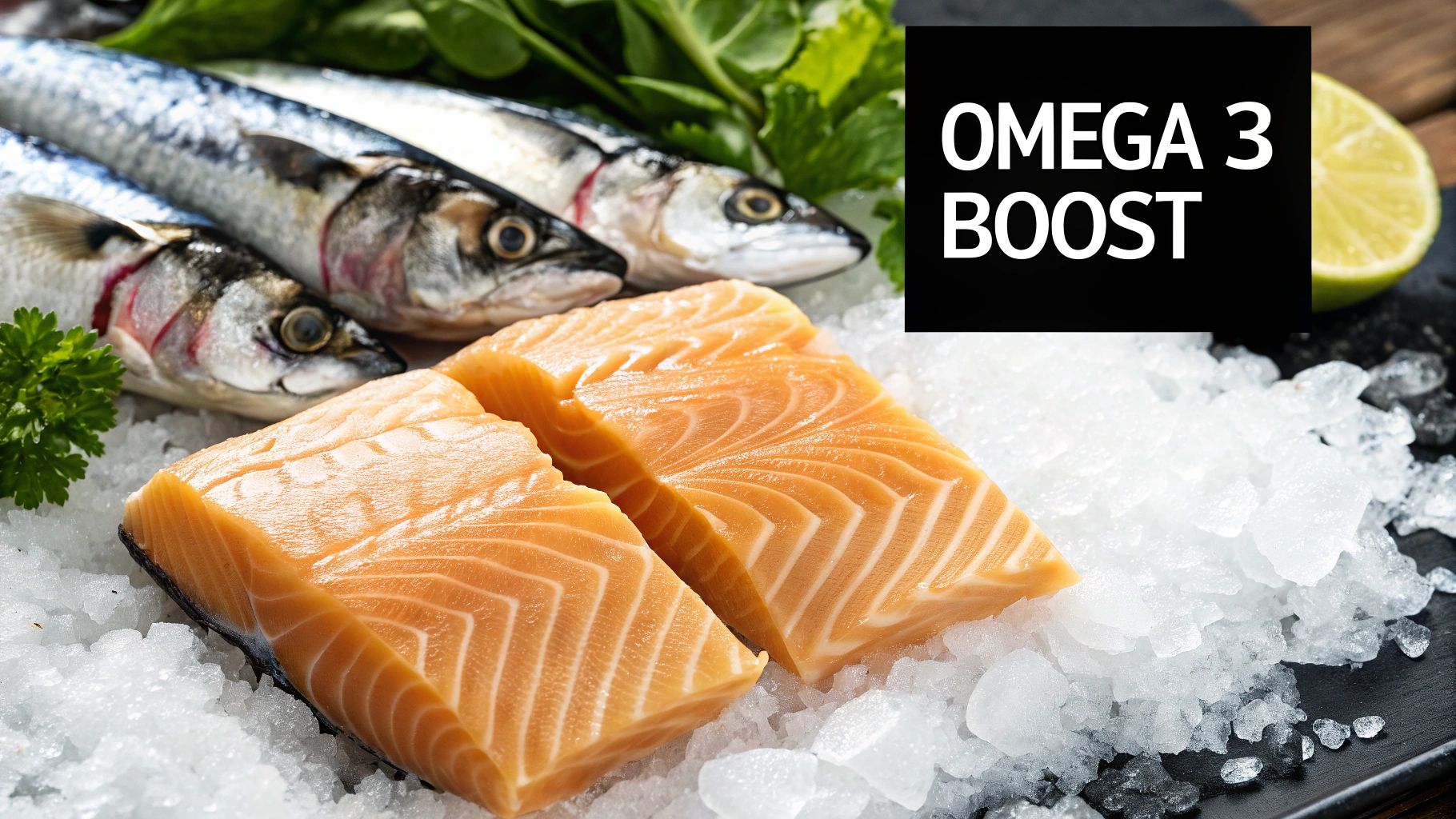
Furthermore, omega-3s possess potent anti-inflammatory properties. Chronic inflammation is increasingly linked to mood disorders, including depression, and by reducing it, these fatty acids can help protect against and alleviate depressive symptoms.
Why It Works So Well
The link between high fish consumption and better mental health is well-documented. For instance, populations in Mediterranean and Nordic regions, where fatty fish is a dietary staple, consistently show lower rates of depression. Clinical studies have also demonstrated that supplementing diets with omega-3s from fish can lead to significant improvements in mood and a reduction in symptoms of anxiety.
How to Implement It
Incorporating fatty fish into your diet is straightforward and can be adapted to any preference.
- Aim for Consistency: Try to eat at least two 3.5-ounce (100-gram) servings per week.
- Choose Wisely: Opt for wild-caught fish when possible, as it often has a more favorable fatty acid profile.
- Vary Preparations: Keep meals interesting by grilling, baking, or pan-searing fish. You can also add canned sardines or salmon to salads for a quick and easy boost.
- Start Mild: If you are new to eating fish, start with a milder-tasting option like salmon before trying more robust flavors like mackerel or sardines.
2. Dark Chocolate (70% cacao or higher)
Dark chocolate is a delightful treat that also qualifies as one of the best foods for mood thanks to its rich concentration of powerful plant compounds. Its benefits stem from flavanols, N-acylethanolamines, and other psychoactive ingredients that interact with your brain’s reward and pleasure centers. These compounds can trigger the release of endorphins and support the production of serotonin, a neurotransmitter that promotes feelings of calm and well-being.

The high antioxidant content, particularly from its flavanols, also protects brain cells from oxidative stress and inflammation, further supporting stable emotional health. The key is to choose chocolate with a high cacao percentage, as this ensures a higher concentration of these beneficial compounds and less sugar. Using dark chocolate can be a great way to satisfy a sweet tooth while still providing mood benefits, and you can learn how to overcome sugar cravings with mindful strategies.
Why It Works So Well
Research confirms dark chocolate’s immediate and long-term mood-lifting effects. For instance, studies have shown that consuming about 40 grams of dark chocolate daily can significantly reduce levels of the stress hormone cortisol. Clinical trials have even demonstrated improvements in mood within two hours of consumption. The presence of theobromine, a mild stimulant, also provides a gentle energy lift without the jitters associated with caffeine.
How to Implement It
Adding dark chocolate to your diet is simple and can be a rewarding daily ritual.
- Choose High Cacao: Opt for bars with 70% cacao or higher to maximize flavanol intake and minimize added sugars.
- Practice Mindful Portions: A small portion of 1-2 squares daily is enough to reap the benefits without excess calories.
- Enhance the Experience: Eat it mindfully, letting it melt slowly to savor the flavor, which can enhance its mood-boosting effects.
- Pair It Smartly: Combine a square of dark chocolate with a handful of almonds or walnuts for added protein, fiber, and healthy fats that help stabilize blood sugar.
3. Leafy Greens (Spinach, Kale, Swiss Chard)
Leafy greens like spinach, kale, and Swiss chard are foundational to a mood-stabilizing diet, making them some of the best foods for mood. Their primary benefit comes from a high concentration of folate (a natural form of vitamin B9). Folate is essential for the synthesis of neurotransmitters like serotonin, dopamine, and norepinephrine, which directly influence feelings of happiness and well-being. A deficiency in this key nutrient is strongly linked to higher rates of depression.

Beyond folate, these greens are also rich in magnesium, a mineral that plays a vital role in the body’s stress-response system. Adequate magnesium intake can help calm the nervous system, reduce anxiety, and improve sleep quality, all of which contribute to a more stable and positive mood.
Why It Works So Well
The connection between leafy greens and mental health is supported by extensive research. For example, large-scale studies from institutions like Harvard have found a significant correlation between higher folate consumption and a lower risk of developing depression. The Mediterranean diet, celebrated for its mental health benefits, heavily emphasizes the daily intake of leafy greens. This consistent consumption ensures the brain receives a steady supply of the nutrients it needs for optimal function.
How to Implement It
Making leafy greens a regular part of your diet is simple and versatile, even if you are not a fan of salads.
- Blend Them In: Add a large handful of spinach or kale to your morning smoothie. The other ingredients, like fruit, will mask the flavor, providing an effortless nutrient boost.
- Sauté for Flavor: Lightly sauté greens like Swiss chard or spinach with garlic and a drizzle of olive oil for a delicious and quick side dish.
- Improve the Texture: To make raw kale more palatable, remove the tough stems and massage the leaves with a bit of lemon juice and olive oil. This softens the texture and reduces bitterness.
- Mix It Up: Combine different types of greens in your meals to get a wider variety of vitamins and minerals.
4. Fermented Foods (Yogurt, Kefir, Kimchi, Sauerkraut)
Fermented foods like yogurt, kefir, kimchi, and sauerkraut are powerful allies for mental well-being, solidifying their place among the best foods for mood. Their benefits stem from probiotics, the beneficial bacteria that support a healthy gut microbiome. The gut and brain are intricately connected via the gut-brain axis, meaning a healthy digestive system directly influences neurotransmitter production and mood regulation.

These live microorganisms help produce mood-influencing chemicals like serotonin and GABA in the gut. By reducing gut inflammation and improving the integrity of the gut lining, probiotics help ensure these crucial signals are communicated effectively to the brain, helping to manage stress and elevate mood.
Why It Works So Well
The link between a healthy gut and a happy mind is supported by both cultural diets and modern science. For example, traditional diets rich in fermented foods are often associated with better mental health outcomes. Clinical trials have also shown that regular consumption of probiotic-rich foods like kefir can lead to a noticeable reduction in anxiety symptoms. This connection highlights how nurturing your gut is a direct path to nurturing your mind, which can be a key strategy if you’re looking to understand and manage emotional eating. To learn more about how mood impacts eating habits, explore how to stop stress eating.
How to Implement It
Adding fermented foods to your diet is a simple and delicious way to boost your mood.
- Start Small: If you’re new to fermented foods, begin with small portions (like a spoonful of sauerkraut or a few ounces of kefir) to allow your digestive system to adjust.
- Look for “Live Cultures”: Choose unpasteurized, refrigerated varieties to ensure the beneficial probiotics are active.
- Incorporate Variety: Different fermented foods contain different strains of bacteria. Mix it up with yogurt, kimchi, and kombucha to cultivate a diverse microbiome.
- Get Creative: Add kimchi to fried rice, top a salad with sauerkraut, or blend kefir into a smoothie for an easy and tasty probiotic boost.
5. Nuts and Seeds (Walnuts, Pumpkin Seeds, Chia Seeds)
Nuts and seeds like walnuts, pumpkin seeds, and chia seeds are convenient and nutrient-dense snacks that serve as some of the best foods for mood regulation. They deliver a powerful combination of healthy fats, fiber, and plant-based protein, along with key minerals. Specifically, they are rich sources of tryptophan, an amino acid that the body converts into serotonin, the “feel-good” neurotransmitter responsible for promoting calmness and well-being.
Many nuts and seeds are also high in magnesium, a mineral vital for the body’s stress-response system. Adequate magnesium levels are associated with reduced anxiety and improved sleep quality. Walnuts, in particular, are a notable plant-based source of alpha-linolenic acid (ALA), a type of omega-3 fatty acid that supports brain function and reduces inflammation.
Why It Works So Well
The synergistic effect of these nutrients makes nuts and seeds a formidable ally for mental health. Research, including studies supported by the California Walnut Commission, has linked walnut consumption to improved mood states in young adults. The Mediterranean diet, which prominently features nuts and seeds, is consistently associated with better mental health outcomes and lower rates of depression. Similarly, the zinc and magnesium in pumpkin seeds contribute to better sleep cycles, which are foundational for emotional stability.
How to Implement It
Adding nuts and seeds to your daily routine is simple and versatile.
- Practice Portion Control: Aim for a small handful, or about one ounce (28 grams), per day to get the benefits without excessive calories.
- Boost Digestibility: Soaking raw nuts and seeds overnight can help break down phytic acid, making their nutrients easier for your body to absorb.
- Choose Wisely: Opt for raw or lightly roasted, unsalted varieties to avoid excess sodium and unhealthy oils.
- Improve Absorption: Grind seeds like flax or chia before adding them to smoothies, oatmeal, or yogurt to ensure your body can access their valuable omega-3s.
6. Berries (Blueberries, Strawberries, Blackberries)
Berries like blueberries, strawberries, and blackberries are celebrated for their vibrant colors and sweet flavors, but they are also some of the best foods for mood you can consume. Their power lies in their exceptionally high concentration of antioxidants, particularly a class of flavonoids called anthocyanins. These compounds are responsible for their red, blue, and purple hues and play a crucial role in protecting brain cells from oxidative stress and inflammation, two factors strongly linked to mood disorders.
By neutralizing harmful free radicals and reducing inflammation, anthocyanins help protect neural pathways and support overall cognitive function. This protection enhances communication between brain cells, which can contribute to a more stable and positive mood over time.
Why It Works So Well
The link between berry consumption and improved mental well-being is backed by significant research. For example, studies on blueberry consumption have demonstrated noticeable improvements in mood and cognitive performance in participants. Diets rich in berries, such as those found in Nordic regions, are often correlated with lower rates of depression. These fruits effectively support brain health by enhancing neuroplasticity and blood flow to the brain, directly impacting mood regulation and memory.
How to Implement It
Adding a variety of berries to your diet is simple and enjoyable, offering a delicious way to boost your mood.
- Aim for a Daily Handful: Try to incorporate about one cup of mixed berries into your daily routine.
- Embrace Frozen: Frozen berries are picked at peak ripeness and retain their nutritional value, making them a convenient and cost-effective option year-round.
- Mix It Up: Add them to smoothies, oatmeal, yogurt, or salads. They also make a great standalone snack.
- Vary Your Colors: Combine different types of berries, such as blueberries, raspberries, and blackberries, to get a wider spectrum of beneficial antioxidants.
7. Avocados
Avocados are unique fruits celebrated for their creamy texture and rich nutritional profile, making them one of the best foods for mood regulation. They are particularly high in healthy monounsaturated fats, primarily oleic acid, which is vital for brain health. This healthy fat supports brain structure and function while also helping to stabilize blood sugar levels, preventing the energy spikes and crashes that can negatively impact your emotional state and lead to irritability.
Beyond healthy fats, avocados are also packed with B vitamins, especially B6 and folate (B9), which are essential for the production of neurotransmitters like serotonin and dopamine. A deficiency in these vitamins is often linked to an increased risk of depression, making avocados a powerful dietary tool for maintaining emotional balance.
Why It Works So Well
The mood-boosting power of avocados is supported by both dietary patterns and clinical research. Diets that traditionally feature avocados, such as those in Mediterranean and Latin American cultures, are often associated with better mental health outcomes. Studies have also shown that regular avocado consumption can improve overall diet quality, cognitive function, and feelings of well-being. Their combination of healthy fats, fiber, and micronutrients provides sustained energy and supports the neurochemical pathways that govern mood.
How to Implement It
Adding avocados to your diet is simple, delicious, and versatile.
- Aim for Moderation: Eating about half an avocado per day is a great way to reap its benefits without overconsuming calories.
- Boost Your Smoothies: Add a quarter or half of an avocado to your smoothie for a creamy texture and a dose of healthy fats.
- Swap Unhealthy Fats: Use mashed avocado as a nutrient-dense replacement for mayonnaise on sandwiches or butter on toast.
- Keep It Fresh: To prevent browning after cutting, store the remaining half with a slice of onion in an airtight container.
8. Bananas
Often hailed as nature’s feel-good fruit, bananas are a simple yet effective choice when considering the best foods for mood. Their mood-lifting power comes from a unique combination of nutrients. They are a well-known source of tryptophan, an amino acid that the body converts into serotonin, the “happy hormone” that promotes feelings of well-being and calmness. Bananas are also rich in vitamin B6, a crucial co-factor in the synthesis of neurotransmitters like serotonin and dopamine, which are essential for emotional regulation.
Furthermore, the natural sugars in bananas provide a quick source of energy, helping to combat the mental fatigue that can often accompany a low mood. This is balanced by fiber, which helps prevent a sharp blood sugar crash, supporting more stable energy levels and, consequently, a more stable mood.
Why It Works So Well
The link between bananas and improved mood is recognized in both modern science and traditional wellness. Sports nutrition experts frequently recommend them to athletes not just for physical energy but for the mental boost needed for peak performance. Some studies have indicated that regular consumption can help improve serotonin levels, and traditional medicine systems have long recognized bananas for their calming properties.
How to Implement It
Adding bananas to your diet is easy and can be done in many delicious ways.
- Aim for Optimal Ripeness: For the best balance of sweetness and nutrients, consume bananas when they are yellow with a few small brown spots.
- Pair with Protein or Fat: Combine a banana with a handful of nuts, a spoonful of peanut butter, or yogurt to slow down sugar absorption and sustain energy.
- Don’t Waste Overripe Bananas: Freeze overripe bananas to use in smoothies, providing a creamy texture and natural sweetness without added sugar.
- Go Organic: When possible, choose organic bananas to minimize exposure to pesticides.
9. Green Tea
Green tea is a celebrated beverage that offers a unique combination of calm alertness, positioning it as one of the best foods for mood. Its mood-stabilizing effects are largely due to L-theanine, an amino acid that promotes relaxation and reduces stress without causing drowsiness. This compound works synergistically with the gentle caffeine content in green tea to enhance cognitive function, improve focus, and create a state of mindful awareness, helping to combat feelings of anxiety and mental fatigue.
L-theanine also boosts the production of calming neurotransmitters like GABA, serotonin, and dopamine. By increasing these brain chemicals, green tea directly contributes to a more positive and stable emotional state, making it a powerful tool for daily mental well-being.
Why It Works So Well
The mental benefits of green tea have been recognized for centuries. Buddhist monks have traditionally used it to maintain focus and calm during long periods of meditation. Modern research supports this wisdom, with studies showing that L-theanine can significantly reduce psychological and physiological stress responses. This effect is why a cup of green tea can feel both uplifting and soothing, creating an ideal mental balance.
How to Implement It
Integrating green tea into your daily routine is simple and can be a mindful practice in itself.
- Aim for Consistency: Drink two to three cups daily to experience the cumulative mood benefits.
- Steep Correctly: To avoid bitterness and preserve the delicate compounds, steep green tea in water that is not boiling (around 175°F or 80°C) for just two to three minutes.
- Choose Quality: Opt for high-quality loose-leaf tea, such as matcha or sencha, as they often contain higher concentrations of L-theanine and antioxidants.
- Time Your Sips: Enjoy green tea between meals for optimal absorption of its beneficial compounds.
10. Sweet Potatoes
Sweet potatoes are a fantastic source of mood-stabilizing complex carbohydrates and are rightfully considered one of the best foods for mood. Unlike simple sugars that cause sharp spikes and crashes in blood glucose, the complex carbs in sweet potatoes provide a slow, sustained release of energy. This steady supply helps regulate mood by supporting the brain’s production of serotonin, a key neurotransmitter responsible for feelings of happiness and well-being. Their natural sweetness can also satisfy cravings for sugary foods in a much healthier way.
Beyond their carbohydrate content, sweet potatoes are packed with essential nutrients like vitamin B6, which is critical for converting the amino acid tryptophan into serotonin. They are also rich in vitamin C and antioxidants, particularly beta-carotene (which the body converts to vitamin A) and anthocyanins in purple varieties, which help protect brain cells from oxidative stress and inflammation.
Why It Works So Well
The connection between sweet potato consumption and positive mental health is evident in dietary patterns globally. For example, the traditional Okinawan diet, heavily featuring purple sweet potatoes, is linked to remarkable longevity and lower instances of age-related cognitive decline and mood disorders. Research has also shown that diets rich in complex carbohydrates can improve mood, particularly in women who may be more sensitive to fluctuations in serotonin levels.
How to Implement It
Adding sweet potatoes to your diet is simple and delicious, offering a versatile base for many meals.
- Roast or Bake: Roasting or baking sweet potatoes brings out their natural sweetness without needing added sugars. Simply toss cubes with a little olive oil and seasoning.
- Leave the Skin On: The skin is a great source of fiber, which further aids in blood sugar stabilization and supports a healthy gut microbiome, another factor in mood regulation.
- Create Balanced Meals: Pair sweet potatoes with a source of protein (like chicken or beans) and a healthy fat (like avocado or nuts) to create a nutritionally complete meal that keeps you full and your mood stable.
- Explore Varieties: Try different types, such as the vibrant purple sweet potatoes, to maximize your intake of unique antioxidants and their brain-protective benefits.
Top 10 Mood-Boosting Foods Comparison
| Item | Implementation Complexity | Resource Requirements | Expected Outcomes | Ideal Use Cases | Key Advantages |
|---|---|---|---|---|---|
| Fatty Fish (Salmon, Mackerel) | Moderate (requires preparation) | High-quality fish (may be costly) | Reduces depression, supports cognition | Mood regulation, brain health | Rich in omega-3s, reduces inflammation |
| Dark Chocolate (70% cacao+) | Low (ready to eat) | Quality dark chocolate (variable cost) | Immediate mood boost and stress reduction | Quick mood lift, stress relief | Releases endorphins, rich in antioxidants |
| Leafy Greens (Spinach, Kale) | Low to moderate (preparation needed) | Fresh leafy greens (frequent purchase) | Supports neurotransmitter synthesis | Daily nutrient intake, mood support | High folate, supports gut-brain axis |
| Fermented Foods (Yogurt, Kimchi) | Moderate (may involve fermentation) | Regular consumption of fermented items | Improves gut health, reduces anxiety | Gut-brain axis support, anxiety relief | Rich in probiotics, strengthens immune system |
| Nuts and Seeds (Walnuts, Chia) | Low (ready to eat) | Quality nuts/seeds (cost varies) | Mood stabilization, sustained energy | Snacks, cooking ingredient | High omega-3s, magnesium, tryptophan |
| Berries (Blueberries, Strawberries) | Low (fresh or frozen) | Fresh/frozen berries (seasonal cost) | Cognitive support, antioxidant protection | Brain health, antioxidant boost | High anthocyanin antioxidants |
| Avocados | Low (minimal prep) | Fresh avocado (can be costly) | Supports mood stability and nutrient absorption | Healthy fat source, mood balance | High monounsaturated fats, potassium rich |
| Bananas | Very low (ready to eat) | Widely available, affordable fruit | Quick serotonin boost and energy | Convenient snack, energy boost | Rich in tryptophan and vitamin B6 |
| Green Tea | Low (simple brewing) | Green tea leaves or bags | Calm alertness, stress reduction | Relaxation, cognitive support | Contains L-theanine, promotes relaxed focus |
| Sweet Potatoes | Moderate (cooking required) | Root vegetables (seasonal cost) | Stable mood via steady serotonin production | Balanced energy, mood stability | Complex carbs, rich in beta-carotene |
Building Your Mood-Boosting Toolkit: Beyond the Plate
Navigating the journey toward better emotional well-being is a powerful act of self-care, and as we’ve explored, your plate is one of the most effective places to start. The connection between what you eat and how you feel is undeniable. By incorporating the best foods for mood like omega-3-rich fatty fish, antioxidant-packed dark chocolate, and gut-healthy fermented foods, you are providing your brain with the essential building blocks it needs to thrive.
From the magnesium in leafy greens that calms the nervous system to the tryptophan in bananas that aids serotonin production, each food on this list offers a unique pathway to a more stable and positive mindset. The key takeaway is that you have a delicious and accessible toolkit at your disposal. You can actively influence your emotional landscape by making conscious, nutrient-dense choices.
Putting Knowledge into Action: Your Next Steps
True transformation doesn’t happen overnight. It’s built through small, consistent actions that become ingrained habits. The goal is not perfection, but progress. Here’s how you can begin integrating these principles today:
- Start with One Small Swap: Don’t try to overhaul your entire diet at once. Choose one simple change. Maybe it’s adding a handful of walnuts to your morning oatmeal, switching from a sugary snack to a handful of berries, or enjoying a square of dark chocolate after dinner.
- Plan for Success: Look at the week ahead and identify one or two meals where you can intentionally include a mood-boosting food. Perhaps you plan for a salmon dinner on Tuesday or add avocado to your weekend toast. Planning removes the guesswork and makes it easier to follow through.
- Listen to Your Body: As you introduce these foods, pay attention to how you feel. Notice your energy levels, your focus, and your overall disposition. This bio-feedback is a powerful motivator and helps you create a personalized eating style that genuinely works for you.
A Holistic Approach to Emotional Wellness
While nutrition is a cornerstone of mental health, it’s most powerful when integrated into a broader wellness strategy. Think of these foods as fuel for a high-performance engine; the engine also needs proper maintenance to run smoothly.
Key Insight: A mood-boosting diet amplifies the benefits of other healthy habits. The synergy between good nutrition, physical activity, and stress management creates a resilient foundation for long-term emotional well-being.
Consider how these pillars support your dietary efforts:
- Mindful Movement: Regular exercise is a proven mood elevator.
- Restorative Sleep: Quality sleep is critical for brain detoxification and hormone regulation.
- Stress Management: Practices like meditation or deep breathing can lower cortisol levels.
Furthermore, a truly holistic approach involves understanding what to avoid as much as what to include. Beyond focusing on beneficial foods, it’s also crucial to be aware of potential environmental factors that impact your well-being. For a deeper dive, consider understanding endocrine disruptors in food, as these chemicals can influence hormonal balance and, consequently, your mood. By creating a clean and nourishing internal environment, you set the stage for optimal mental clarity.
Ultimately, embracing the best foods for mood is about more than just eating well; it’s about empowering yourself. It’s a declaration that you are an active participant in your own happiness and health. By nourishing your body with intention, you are building a resilient, vibrant, and more joyful you, one bite at a time.