 CravingMind AI
We’ve all been there. You tell yourself you’re going to eat healthy, but then you walk into the kitchen and the first thing you see is a bag of chips. Or maybe a coworker brings donuts to the office, and suddenly your resolve crumbles.
It’s easy to blame a lack of willpower, but what if I told you that was the wrong way to think about it? The truth is, your surroundings have a far bigger impact on your food choices than your self-control ever will. This is the core idea behind the power of your food environment.
Your Environment is Stronger Than Your Willpower
Think about it this way: your willpower is like a muscle. You can only use it so much before it gets tired. If you spend all day fighting against a constant stream of temptations—like that candy bowl on a colleague’s desk or the junk food pantry at home—you’re going to get exhausted. Sooner or later, you’ll give in. It’s not a personal failure; it’s just human nature.
The real secret isn’t to build more willpower, but to build a better environment.
Imagine your food environment as a river. A poorly designed one has a strong current pulling you toward unhealthy choices. You can try to swim against it with willpower, but eventually, you’ll get tired and be swept downstream. A well-designed environment, however, changes the direction of the current, gently guiding you toward healthier options without any effort.
The goal is to stop swimming upstream and simply change the flow of the river.
The cues that shape our choices are all around us, often hiding in plain sight:
- At home: The food that’s visible and easy to grab is the food you’ll eat most often.
- At work: That shared snack drawer creates dozens of tiny, subconscious decisions every single day.
- With friends and family: We instinctively mirror the eating patterns of the people we’re with.
Once you start seeing these invisible forces, you can’t unsee them. And that’s a good thing, because it means you can start to intentionally redesign your world to make healthy eating feel easy and automatic, not like a constant battle. This guide will show you exactly how to do it.
The Invisible Architecture of Your Eating Habits
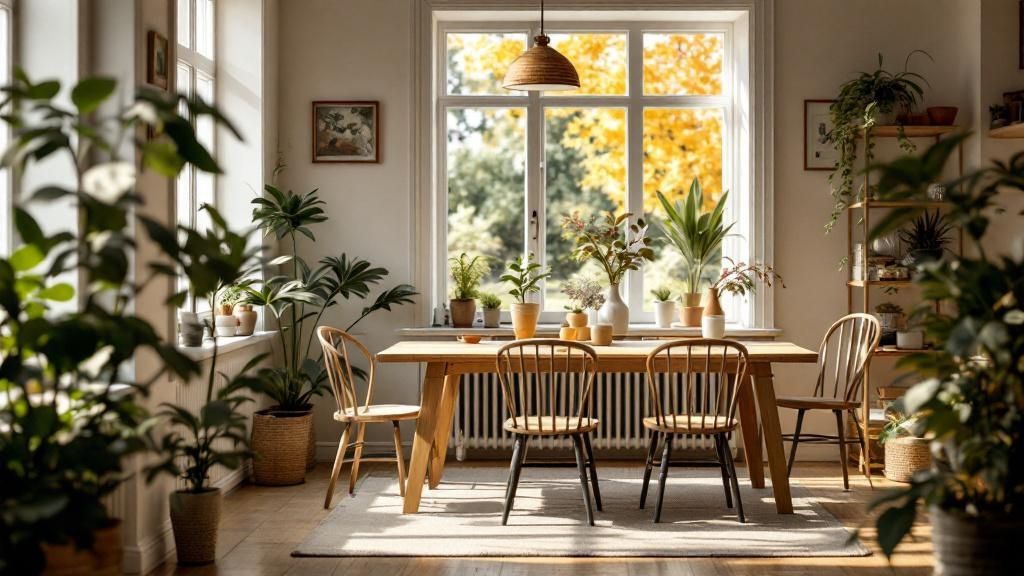
Ever notice how grocery stores make you walk all the way to the back for milk, but place candy and magazines right at the checkout? That’s not an accident. It’s a masterclass in what experts call choice architecture.
This is the science of how presenting options in a certain way can subtly steer our decisions, often completely under the radar. These same invisible forces are shaping your choices every single day in your kitchen, at your desk, and even on your social media feeds.
Think of it this way: your environment is constantly nudging you. Just as an architect designs a building to guide how people move through it, your food environment is set up—either by you or for you—to guide your eating habits. The old saying is true: you are where you eat, and what’s easiest is usually what you choose.
This works because of a simple psychological shortcut we all use called default bias. We are wired to take the path of least resistance. If a bowl of fresh fruit is sitting on your kitchen counter, grabbing an apple becomes the easy, default choice. But if a bag of chips is at eye level in the pantry, that’s what your hand will instinctively reach for.
The Power of Visual Cues
Our brains are visual processors. What we see often dictates what we do next, triggering cravings and guiding our actions before we’ve even had a chance to think. It’s an evolutionary shortcut that helps us make quick decisions, but it can backfire in our modern food landscape.
This is why the “out of sight, out of mind” principle is so effective. Stashing cookies in an opaque jar on a high shelf isn’t about forbidding them; it’s about reducing the constant mental battle. You’re simply removing the trigger.
By becoming the architect of your own environment, you shift from being unconsciously influenced to consciously in control. You can design a space where the healthiest choice is also the easiest choice, making good habits feel effortless.
This idea has implications far beyond our own kitchens. Our collective food environments have a massive global footprint. In fact, our food systems are responsible for up to one-third of global greenhouse gas emissions.
This staggering statistic shows that the power of where and what you eat impacts not just your own well-being but the health of the planet, too. You can learn more about the climate impact of our food systems and discover how mindful choices can make a real difference. By reshaping our immediate surroundings, we take a small but meaningful step toward a much larger, positive change.
Redesigning Your Kitchen for Effortless Healthy Eating
Now that we’ve seen how these invisible forces can shape our choices, let’s get practical. It’s time to take back control by redesigning the most powerful food environment you have: your kitchen. Think of this as a “kitchen audit”—a few small, intentional tweaks that can make a huge difference in your eating habits over time. The whole point is to make the healthy choice the easy choice.
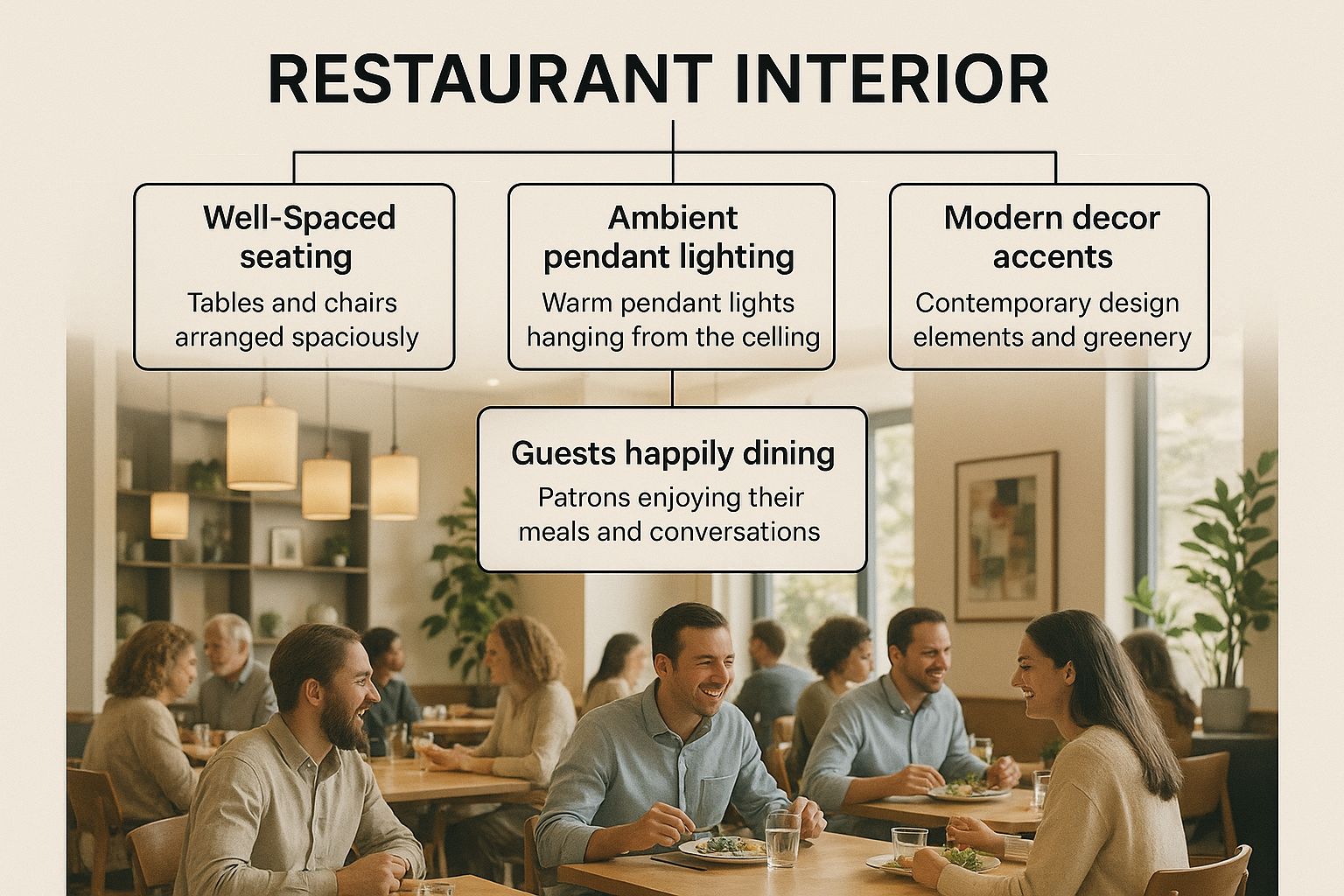
The image above really drives this home. Whether you’re in a fancy restaurant or your own home, a well-designed space makes mindful dining feel more natural and enjoyable. It proves the old saying is true: you are where you eat.
Set Yourself Up for Success
The first step is simple: make healthy foods impossible to ignore. That bag of apples shouldn’t be hidden away in a crisper drawer; put them in a beautiful bowl right on your counter. It’s not just a nice decoration. Research consistently shows that people who keep a fruit bowl in plain sight weigh less, on average, than those who don’t. Visibility creates opportunity.
On the flip side, you want to make less-healthy foods less convenient. You don’t have to throw everything out, but you can create a little “healthy friction.”
Store things like cookies or chips in opaque containers on a high shelf. The simple act of needing a stool or reaching to the back of a cabinet is often just enough of a pause to make you reconsider.
This isn’t about willpower or restriction. It’s about smart design. By engineering your kitchen this way, you let your environment do the heavy lifting for you.
Mindful Tools and Portions
Did you know the tools you eat with can trick your brain? Studies have shown time and again that we serve ourselves and eat more when we use larger plates and bowls. This is called the Delboeuf illusion, a fascinating quirk of our perception where the same amount of food looks smaller on a big plate, prompting us to add more.
Fortunately, you can make this work for you with a few simple swaps:
- Use smaller dinner plates: Switching from a standard 12-inch plate to a 9- or 10-inch one naturally guides you toward more reasonable portions without feeling like you’re missing out.
- Drink from taller, narrower glasses: We tend to pour less into tall, thin glasses than short, wide ones. This is a great little trick for cutting back on sugary drinks like soda or juice.
Kitchen Environment Audit Checklist
To help you put this all into practice, use the checklist below. Walk through your kitchen and see where you can make small but powerful adjustments. It’s a simple way to audit how your current setup might be working against you and find opportunities for easy wins.
| Environmental Factor | Current State (Poor) | Optimized State (Good) |
|---|---|---|
| Countertops | Cereal boxes, cookies, or other processed snacks are visible and within arm’s reach. | A beautiful bowl of fresh fruit is the centerpiece. Unhealthy snacks are out of sight. |
| Pantry/Cupboards | Sugary snacks and processed foods are at eye-level on the front of shelves. | Healthy staples like nuts, seeds, and whole grains are in clear containers at eye-level. Treats are in opaque containers on high or low shelves. |
| Refrigerator | Pre-cut veggies and fruits are hidden in crisper drawers. Sugary drinks are on the main shelf. | Pre-cut veggies, yogurt, and other healthy snacks are on the top/middle shelves. A pitcher of water is front and center. |
| Dinnerware | Large 12-inch+ dinner plates and wide, short glasses are used for most meals. | Smaller 9-10 inch plates are stacked on top for easy access. Tall, slender glasses are used for all beverages besides water. |
By making these small adjustments, you’re not just organizing your kitchen; you’re building a space that makes healthy choices feel automatic and effortless. You’re setting your future self up for success, one small change at a time.
How Your Social Circle Shapes Your Plate
It’s not just our kitchens that dictate what we eat. The people we share meals with—our friends, family, and colleagues—create a powerful social current that often guides our choices without us even noticing. The idea that you are where you eat is just as true at a dinner party as it is in your own pantry.
This happens for a couple of key reasons. First, there’s social facilitation, which is just a technical way of saying we tend to eat more when we’re around other people. Think about it: a long, leisurely dinner with friends almost always involves more eating than a quick lunch you grab by yourself.
Then there’s an even stronger force at play: modeling. As social creatures, we’re wired to mirror the behavior of those around us. It’s how we fit in. If everyone at the table orders dessert or another round of drinks, you’ll feel a subtle (or not-so-subtle) nudge to do the same, even if you hadn’t planned on it.
Navigating Social Eating Scenarios
So, what can you do? You don’t have to give up your social life to maintain your eating goals. The trick is to understand these dynamics and use them to your advantage.
Here’s a simple strategy: at a work lunch or family gathering, try being the first person to order. When you confidently pick a healthier option, you set a new standard for the table. You essentially become the positive role model, flipping the script on social pressure.
Navigating your social food environment isn’t about restriction or avoidance. It’s about developing awareness and using small, strategic actions to stay in control of your choices while still enjoying the connection that comes from sharing a meal.
These social nudges are a big part of why we often find ourselves reaching for junk food when we’re out with others. By learning to spot these cues, you can make more mindful decisions that feel right for you, no matter who you’re eating with. To dig into this further, you can learn more about why we crave junk food and the social influences behind it in our detailed guide.
Navigating Restaurants and Grocery Stores
Once you’ve set up your kitchen for success, stepping into a grocery store or restaurant can feel like walking onto a battlefield. These places are masters of choice architecture, and they’ve been carefully designed to nudge you toward certain decisions—often not the healthiest ones.
Think about the last time you went to the grocery store. The fresh flowers and vibrant produce greet you at the door, creating a fresh, wholesome vibe. But as you venture deeper, you’ll find the sugary cereals are perfectly placed at your kid’s eye level. And what about that checkout aisle? It’s a gauntlet of candy, soda, and magazines, all designed to prey on you when your willpower is at its lowest.
Restaurants play the same game, just with different tools.
Their menus are pure marketing genius. They use mouth-watering adjectives like “velvety,” “sun-drenched,” and “crispy” to make a dish sound irresistible. The most profitable items? You’ll often find them tucked into the upper-right corner of the menu, exactly where your eyes tend to land first.
Regaining Control with Simple Strategies
The good news is you don’t have to be a pawn in their game. A few simple, defensive strategies can help you stay in the driver’s seat.
- Always Shop with a List: This is your non-negotiable game plan. A list keeps you focused and acts as a shield against the siren song of impulse buys and flashy “special offers.”
- Never Shop Hungry: This one is crucial. Walking into a food paradise on an empty stomach is just asking for trouble. You’re far more likely to cave to cravings for high-calorie, processed foods. A quick, healthy snack beforehand makes a world of difference.
- Decode the Menu: Learn to read between the lines. Ignore the flowery language and look for keywords that describe how the food is cooked. “Grilled,” “steamed,” and “baked” are usually your friends. “Fried,” “creamy,” or “crispy” are often red flags.
This idea of being mindful about our choices extends beyond just our own health. The journey our food takes from farm to plate, often called “food miles,” has a massive impact on the planet. In fact, transportation within the global food system is responsible for nearly 20% of the sector’s total greenhouse gas emissions. Suddenly, ‘you are where you eat’ takes on a whole new meaning for the health of our environment. You can learn more about the environmental impact of food miles on the EU’s official site.
By arming yourself with these strategies, you can transform overwhelming environments into places where you feel empowered. And if you need a little extra help tackling those persistent sweet-tooth moments, our guide on how to overcome sugar cravings has got you covered.
Here’s the rewritten section, designed to sound like it was written by an experienced human expert.
Become the Architect of Your Food World
If there’s one thing to take away from all this, it’s that your environment has a much bigger say in what you eat than your willpower ever will. So, instead of white-knuckling your way through cravings or blaming yourself for making a less-than-ideal choice, let’s shift the focus. The real win isn’t in resisting temptation; it’s in redesigning your world so the best choice is also the easiest one.
You’re now equipped to be the architect of your own food environment. You know how to set up your kitchen for success, how to walk into social events with a plan, and how to spot the subtle tricks used by grocery stores and restaurants. Every small tweak—moving the fruit bowl into the open, prepping a smart shopping list—is a brick you lay in building a healthier life.
The idea that you are where you eat is bigger than just personal health. Consider this staggering fact: in 2022, while 783 million people went hungry, the world wasted over 1.05 billion tons of food.
This isn’t just a paradox; it’s a direct reflection of broken food environments on a global scale. By consciously shaping where and how you eat, you’re not just taking back control of your own well-being. You’re also casting a vote for a saner, more sustainable food system for everyone.
Want to learn more? Check out this deep dive into the global impact of food waste on UNFCCC.int.
Got Questions? Let’s Talk Strategy
So, you’re ready to put this into action. That’s fantastic. As you start redesigning your environment, a few practical questions are bound to pop up. Here are some of the most common ones I hear, along with some real-world advice.
How Long Does This Actually Take to Work?
Some changes give you an instant win. Move the cookie jar off the counter, and you’ll immediately feel that temptation fade a bit. But we’re talking about building new, lasting habits, and that’s more of a long game.
You’ll probably notice you’re making better choices within the first week. The real, deep-seated change, though? That unfolds over a few months. Think of it like laying the foundation for a house, one brick at a time. It’s not a race; it’s about building something solid that will last.
If I Can Only Do One Thing, What’s the Biggest Bang for My Buck?
This is my favorite question because the answer is so simple yet so powerful. If you’re going to make just one change, do this: make the healthy stuff the easy stuff.
Put a big, beautiful bowl of fruit right in the middle of your kitchen counter. Pre-chop a bunch of carrots and celery and put them in a clear container on the top shelf of your fridge. It works because it taps into our basic human laziness—we grab what’s visible and convenient. This single move aligns your space with your goals, proving that you really are where you eat.
How Do I Pull This Off When I Live With Other People?
This is a big one. When you share a kitchen with family or roommates, a total pantry makeover isn’t always realistic (or fair). The key here is less about control and more about collaboration.
Talk to them. Explain what you’re trying to do. Instead of banning their favorite snacks, suggest creating dedicated zones. Maybe the top shelf of the pantry is your healthy-snack zone, while the shelf below is for the kids’ treats or your partner’s chips. It’s all about finding a middle ground that respects everyone while still giving you the supportive environment you need to succeed.